

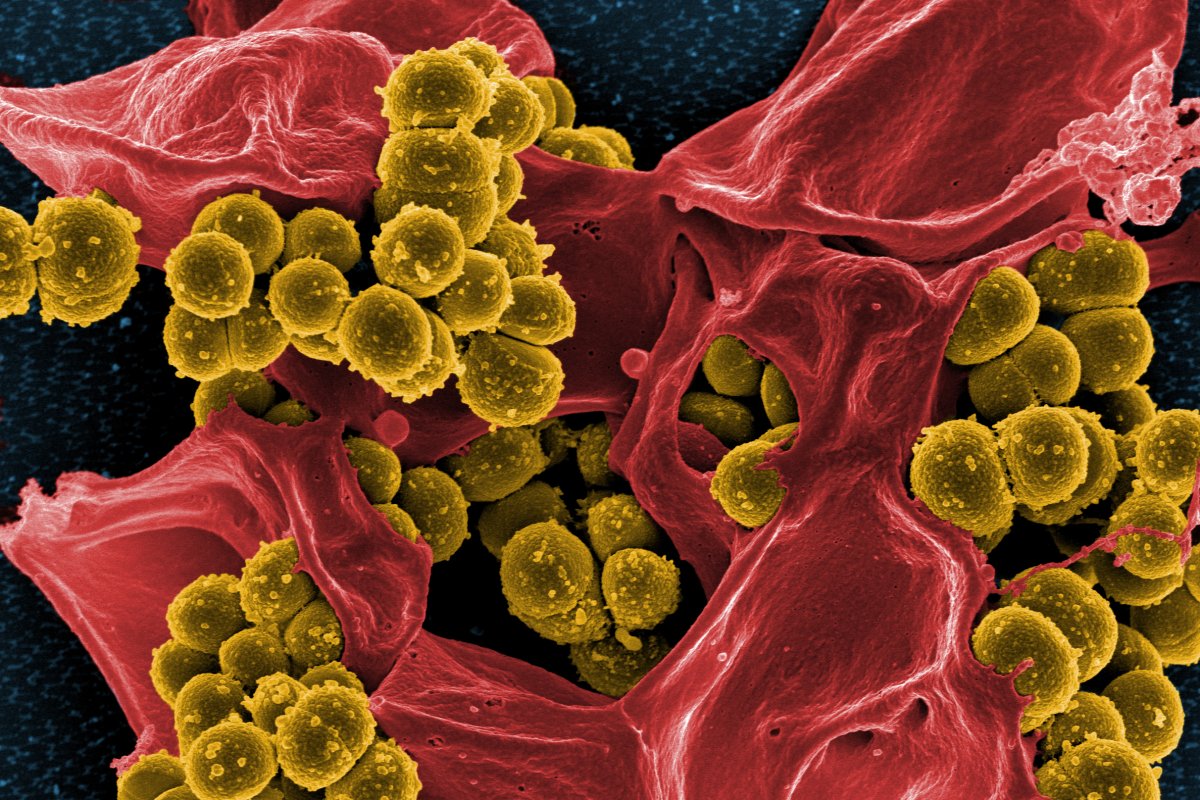
Diseases are a fundamental aspect of human existence, influencing health outcomes and shaping societies throughout history. From ancient times to the modern era, diseases have been pivotal in defining public health strategies, medical advancements, and even cultural practices. In this comprehensive exploration, we delve into the intricacies of diseases, covering their causes, types, and profound impact on global health.
What are Diseases?
A disease is broadly defined as a condition that impairs normal functioning of the body or mind, typically characterized by specific symptoms and signs. These deviations from health can be caused by various factors, including pathogens (such as bacteria, viruses, fungi, and parasites), genetic mutations, environmental factors, lifestyle choices, and underlying physiological abnormalities.
Causes of Diseases
1. Pathogens:
Pathogens are microorganisms that cause infectious diseases by invading the body and disrupting normal cellular functions. Common examples include:
- Bacteria: E.g., tuberculosis, streptococcus infections.
- Viruses: E.g., influenza, HIV/AIDS.
- Fungi: E.g., candidiasis, ringworm.
- Parasites: E.g., malaria, intestinal worms.
These pathogens spread through various means such as air, water, food, bodily fluids, and vectors like mosquitoes or ticks.
2. Genetic Factors:
Genetic diseases arise from mutations or abnormalities in the DNA sequence inherited from parents. Examples include cystic fibrosis, sickle cell anemia, and Huntington’s disease. These conditions can manifest at birth or later in life, depending on the specific genetic mutation and its effects on bodily functions.
3. Environmental Factors:
Environmental influences encompass a broad range of factors that can contribute to disease development:
- Pollution: Air, water, and soil pollution can lead to respiratory diseases, cancers, and neurological disorders.
- Toxins: Exposure to chemicals, heavy metals, and pesticides can cause organ damage and systemic illnesses.
- Radiation: Ionizing radiation from sources like X-rays or nuclear fallout can increase the risk of cancers and genetic mutations.
4. Lifestyle Choices:
Certain diseases are linked to lifestyle behaviors and choices:
- Diet and Nutrition: Poor diet can lead to obesity, cardiovascular diseases, and deficiencies.
- Physical Activity: Sedentary lifestyles contribute to conditions like diabetes and cardiovascular diseases.
- Substance Use: Tobacco, alcohol, and drug abuse can cause addiction and various organ-specific diseases.
Types of Diseases
Diseases are categorized based on several criteria, including their cause, duration, affected organ systems, and severity. Here are some common types:
1. Infectious Diseases:
These are caused by pathogens and can spread from person to person. Examples include:
- Viral: COVID-19, measles.
- Bacterial: Tuberculosis, streptococcal infections.
- Parasitic: Malaria, trichomoniasis.
2. Chronic Diseases:
Chronic diseases persist over a long period and often progress slowly. They include:
- Cardiovascular diseases: Hypertension, coronary artery disease.
- Diabetes: Type 1 and type 2 diabetes mellitus.
- Cancer: Breast cancer, lung cancer.
3. Genetic Diseases:
These result from inherited genetic mutations and include:
- Cystic fibrosis
- Hemophilia
- Muscular dystrophy
4. Autoimmune Diseases:
Conditions where the immune system attacks healthy tissues, such as:
- Rheumatoid arthritis
- Multiple sclerosis
- Type 1 diabetes
5. Mental Health Disorders:
Conditions affecting mental well-being, like:
- Depression
- Anxiety disorders
- Schizophrenia
Impact of Diseases on Health and Society
The impact of diseases extends far beyond individual health, influencing societal and economic dynamics:
- Public Health Burden: Diseases strain healthcare systems, requiring resources for prevention, treatment, and research.
- Economic Consequences: Lost productivity due to illness, healthcare costs, and investments in disease management affect national economies.
- Social Implications: Stigma associated with certain diseases can affect patient well-being and community dynamics.
Managing and Preventing Diseases
Efforts to manage and prevent diseases involve a multi-faceted approach:
- Vaccination Programs: Immunization prevents infectious diseases.
- Public Health Campaigns: Promoting healthy lifestyles and disease awareness.
- Medical Interventions: Treatment options include medications, surgeries, and therapies tailored to specific diseases.
- Research and Innovation: Advancements in medical technology and pharmaceuticals drive progress in disease prevention and management.
Conclusion
In conclusion, diseases encompass a vast spectrum of conditions that impact human health in profound ways. Understanding the causes, types, and societal implications of diseases is crucial for developing effective strategies in healthcare, public policy, and individual health management. As science and medicine continue to advance, the hope is to mitigate the burden of diseases globally and improve quality of life for all individuals. By fostering awareness, research, and collaboration, we can strive towards a healthier future for generations to come.
