

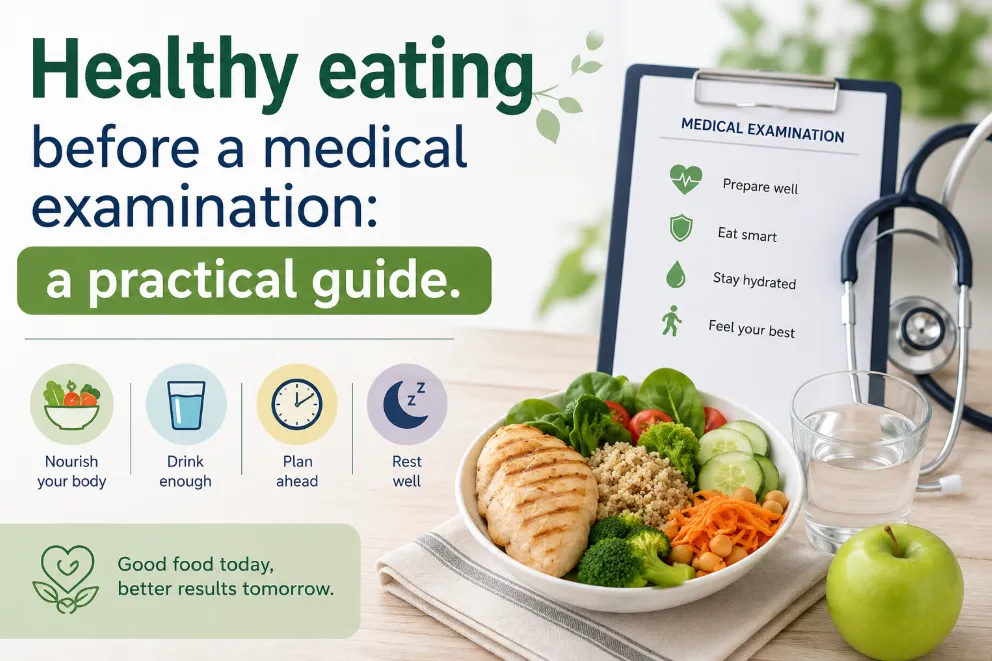
Good physical health is important for every activity in life. If you are planning to move abroad for employment or long-term residence, particularly to a GCC (Gulf) country, a medical fitness test is one of the first requirements. Applicants for GCC work visas and residence visas must undergo an approved medical examination to confirm that they meet the health standards set by the destination country. Your skin color, muscle condition and other external appearance characteristics will be assessed on your medical examination but your daily lifestyle, particularly your diet, can have a great impact on the way your body feels and functions prior to the exam.
A healthy, well-balanced diet will not affect gamca medical test results, but will benefit your overall health, energy, hydration and digestion. Having the proper diet before an appointment can help make you feel more prepared, active and comfortable during the process of the examination.
This guide details what to eat before a medical exam, what to steer clear of, and how to keep up a healthy way of life.
Healthy eating is an important issue before a medical exam.
Eating right means your body is best fed. The food you feed your body directly impacts your energy, immunity and metabolism.
However, these may help a healthy diet prior to a medical examination:
· Keep energy levels even through the day
· Assist the immune system to maintain its normal functions.
· Delivers a range of advantages for digestion and gut health.
· Minimize tiredness and feebleness
· Drink enough fluids to prevent dehydration.
· Enhance general health and happiness
It is important to remember, however, that food does not affect medical tests and it cannot treat any medical conditions. There are only two purposes of a healthy diet: To support your body’s natural functioning.
Focus on a Balanced Diet
It is advisable to move away from junk food to more balanced and natural diets in the few days before your medical and physical check up.
A balanced diet should consist of:
· Fresh fruits and vegetables.
· Whole grains
· Lean protein sources
· Healthy fats
· Sufficient water intake
A diverse diet provides the body with the vitamins, minerals and nutrients required for normal use.
Fresh fruits and vegetables
Having healthy diet with fruits and vegetables. They are rich in vitamins, antioxidants, minerals, fiber, which when consumed can help to support a variety of functions in the body.
Some healthy choices are:
· Apples
· Bananas
· Oranges
· Papaya
· Watermelon
· Spinach
· Broccoli
· Carrots
· Cucumbers
· Tomatoes
· Beetroots
Try to include at least 2–3 servings of fruits and vegetables every day. These foods are very important for stomach and a healthy routine.
Lean Protein Sources
Protein is essential for the strength of muscles, repair of body tissues and the structure of the entire body.
Protein foods include:
· Eggs
· Skinless chicken
· Fish
· Lentils (dal)
· Chickpeas
· Kidney beans
· Low-fat yogurt
· Cottage cheese (paneer)
Don’t eat too many processed meats, as they tend to be high in sodium and fat.
Whole Grains for Energy
Whole grains are slowly released energy to keep you active.
Examples include:
· Brown rice
· Oats
· Whole wheat bread
· Quinoa
· Millet (bajra, ragi)
· Barley
The foods are full of dietary fibre which aids digestion and keeps gut healthy.
Healthy Fats in Moderation
Healthy fats an important role in brain function and nutrients.
Add some small quantities of:
· Almonds
· Walnuts
· Flaxseeds
· Chia seeds
· Olive oil
· Peanuts
Fats, however, are always a part of a balanced diet and should always be taken in moderation.
It’s important to stay hydrated.
Water is one of the most important things that you need in order to be healthy. Drinking enough liquids helps the digestive system, circulation, temperature regulation and energy.
These are some healthier hydrating options:
· Plain water
· Coconut water (without added sugar)
· Lemon water
· Herbal teas
List of foods and drinks to avoid and limit.
The best thing to do is to limit foods that could make it harder to get energy or digest in your body before the medical exam.
Try to limit:
· Deep-fried foods
· Fast food
· Processed snacks
· Sugary desserts
· Soft drinks
· Excessively salty foods
Lighter meals are easier to digest and make you feel more active and comfortable.
Don’t use alcohol or smoking
Alcohol and tobacco can have a negative impact on overall health and hydration levels. It is highly recommended to refrain from these habits before undergoing a medical examination.
Quitting smoking, or cutting back, under medical supervision is also good for a person’s long-term health if they are a smoker.
Importance of Good Sleep
Apart from diet, sleeping is also crucial when you are getting ready for a medical examination
Before your appointment:
Get 7-9 hours of sleep
Sleep at the same time every night.
Don’t use screens in the evening hours.
Try and have lighter foods at night.
Sleep leads to better concentration, alertness and clarity of mind.
What to Eat on the Day of Examination.
If your medical center does not recommend breaking the fast, you shouldn’t break your fast.
Foods that make a healthy breakfast are:
· Oatmeal with fruits
· Whole wheat toast and boiled eggs.
· Yogurt with banana
· A few nuts and fruit
Always adhere to the medical center’s instructions in cases of fasting for blood tests.
Here are common myths about diet and medical tests.
Many people think that what they eat affects the results of a medical test, and they’re wrong.
Myth 1: Detox drinks improve results
Fact: Detox drinks will not interfere with any medical tests.
Myth 2: Not eating will help pass the test.
Fact: Only fast if instructed by medical professionals.
Myth #3: “Too much water equals “Too good” results”
Fact: Hydration can promote health but has no impact on medical findings.
Final Thoughts
It is crucial that applicants know that any food, supplement or diet cannot affect the outcome of the GCC medical examination conducted by the GAMCA. Light foods are better digested and easier to digest and feel active and comfortable.
Keeping a healthy lifestyle, staying hydrated and getting enough rest beforehand is the best preparation. To make medical exam experience easy and stress-free, follow the directions of your approved medical center.